6 Apr 2026·6 min read·Greg Turner
What a Low AI Readiness Score Actually Means — And What to Do Next
A low AI readiness score is a useful baseline, not a verdict. Learn what each dimension tells you and the practical steps to build from where you are.
What This Article Covers
Who This Article Is For
Introduction
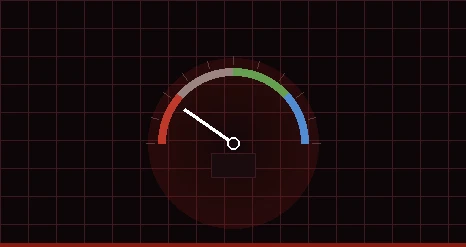
If you have just completed an AI readiness assessment and your score came back lower than you expected, it is worth taking a moment before you react. A low score does not mean your organisation cannot benefit from AI, that you have failed at something, or that you are years behind. It means you have a clear picture of where you are starting from — and that is genuinely valuable.
Most organisations that complete an AI readiness assessment for the first time score between 35 and 55 out of 100. The organisations that score higher have typically already run AI pilots, invested deliberately in data infrastructure, and made governance a priority before they needed to. They are not better organisations — they got started earlier or had different pressures pushing them.
This article explains what the different components of a low readiness score actually indicate, and what practical steps move the needle in each area.
What the Score Is Actually Measuring
An AI readiness score typically measures four things: data readiness, team capability, governance and risk management, and use case clarity. A low score in any one of these areas tells you something specific. A low score across all four tells you something different again — not that the situation is hopeless, but that the investment needs to be sequenced carefully.
Understanding which dimension is dragging your score down is more useful than reacting to the number itself. A 42 driven by weak governance is a very different situation from a 42 driven by data fragmentation, and the response is different too.
Low Data Readiness: What It Means
A low data readiness score typically indicates one of three situations: data is siloed across systems that do not talk to each other, data quality is inconsistent or undocumented, or the organisation is still primarily operating from spreadsheets and manual records.
This is the most common area of low readiness and, paradoxically, the most fixable — but it takes time and sustained effort. The good news is that improving data readiness creates value beyond AI. Better data governance, cleaner master data, and integrated systems benefit reporting, compliance, and operational efficiency regardless of whether you ever deploy an AI model.
The practical starting point is not a major data platform overhaul. It is identifying one or two high-value data assets — the data that would most directly support the AI use cases you are considering — and improving the quality, accessibility, and documentation of those specific datasets. Start narrow and demonstrate the value before broadening.
Low Team Capability: What It Means
A low team capability score does not mean you need to hire a team of data scientists. It means the organisation has not yet built the foundational literacy and skills needed to use, evaluate, and govern AI systems effectively.
There are three distinct capability gaps that commonly appear. The first is general AI literacy — staff who do not understand what AI can and cannot do, leading to either excessive fear or excessive trust. The second is technical capability — the absence of people who can implement, integrate, or critically evaluate AI systems. The third is leadership capability — executives and managers who are not equipped to ask hard questions of vendors or make informed AI investment decisions.
Each requires a different response. General literacy is addressed through structured learning programs — not day-long workshops, but sustained exposure over months. Technical capability may require hiring, partnering, or upskilling specific roles. Leadership capability is often addressed most effectively through targeted external expertise during early projects, combined with deliberate knowledge transfer.
Low Governance Score: What It Means
A low governance score is the area where organisations most frequently underestimate the risk of moving ahead anyway. It indicates that the organisation does not have the policies, processes, and accountability structures needed to deploy AI responsibly.
In practice this means there is no clear policy on what data AI can use, no process for assessing the risk of a specific AI deployment, no defined accountability for AI decisions, and no mechanism for identifying and responding to failures. Organisations that deploy AI without these structures are not just exposed to regulatory risk — they are also exposed to operational risk when (not if) something goes wrong.
Governance does not need to be complex to be effective. A one-page AI use policy, a simple risk assessment template for new deployments, and a named individual with accountability for AI governance is a credible starting point. Building from there is easier than retrofitting governance onto systems that are already in production.
Low Use Case Clarity: What It Means
A low use case clarity score is actually one of the more encouraging findings, because it indicates that the opportunity has not yet been properly defined rather than that the opportunity does not exist.
It typically means the organisation has identified AI as important — perhaps it is in the strategic plan or being discussed at executive level — but has not done the work to identify specific, well-defined problems that AI could solve, quantify the value of solving them, and prioritise which to pursue first.
The response here is structured problem identification. Run workshops with operational leaders to surface the specific pain points where AI could plausibly help. For each candidate use case, assess the data available, the value of the outcome, the feasibility of the solution, and the risk. Prioritise ruthlessly — most organisations should start with one use case that is well-defined, data-rich, and low-risk, rather than five that are vague.
The Right Sequence
When multiple dimensions are scoring low, sequencing matters. The most common mistake is trying to address everything at once and making insufficient progress on any of it.
A practical sequencing principle: fix data and governance in parallel, as a foundation, before making significant technology investments. Capability building can start early and run continuously. Use case clarity should drive priorities rather than technology availability.
The worst sequence is technology first. Organisations that procure AI platforms before their data is ready, their governance is in place, or their use cases are defined consistently spend money on systems that sit underutilised or cause problems they were not prepared for.
A Low Score Is a Starting Point, Not a Verdict
The most important thing to take from a low readiness score is not a judgment about where you are but a direction for where to go. Every organisation currently operating mature AI systems started from somewhere. The ones that are now getting genuine value from AI investments made deliberate decisions about what to fix first, invested sustainably rather than in bursts, and were honest about what they did not have rather than pretending the gaps did not exist.
A clear-eyed assessment of your current state is not a weakness — it is the foundation of a credible plan.
Related reading:
Conclusion
A low AI readiness score tells you something specific and actionable about your organisation. The response is not to panic, to delay indefinitely, or to launch a transformation programme that tries to fix everything at once. It is to understand which dimensions are weakest, start with the highest-leverage interventions in those areas, and build progressively.
If you would like to talk through what your score means for your specific organisation and what a realistic improvement roadmap looks like, contact us.
Working through something like this?
A short description of the problem is enough to start.