Case Study
Lift Your Game: AI vision boards
A generative AI product I own, operate and pay the bills for. Live on both stores, with a subscription tier and the full infrastructure underneath it.
What It Does
- Turns a written goal into generated imagery
- Vision boards that sync across devices
- Unlimited boards on a Pro subscription
- Daily inspiration
- iOS and Android
Why It Matters Here
- Generative image models in a consumer product
- Subscription billing across two stores
- The running cost of inference, carried by me
- Production infrastructure I maintain
- Nothing here is theoretical
Screens
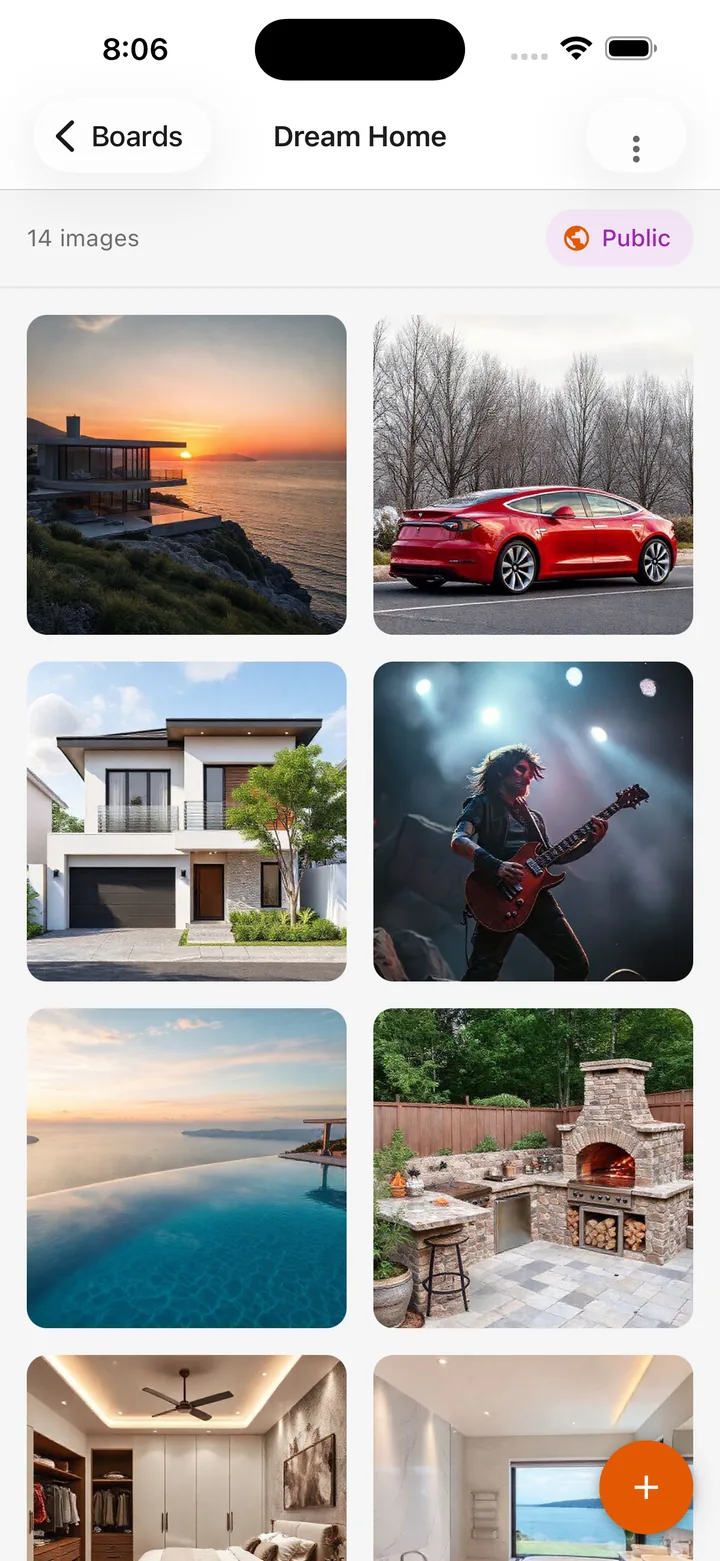
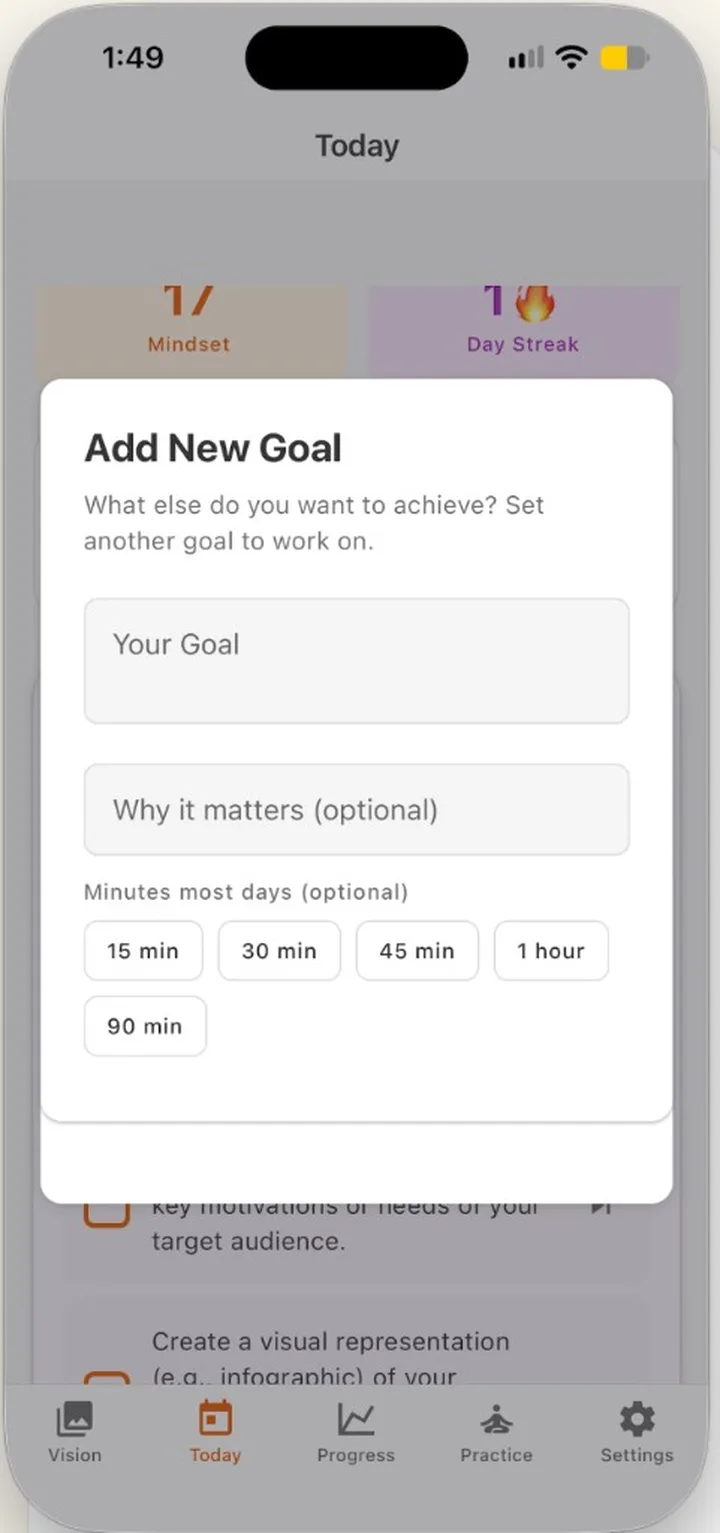
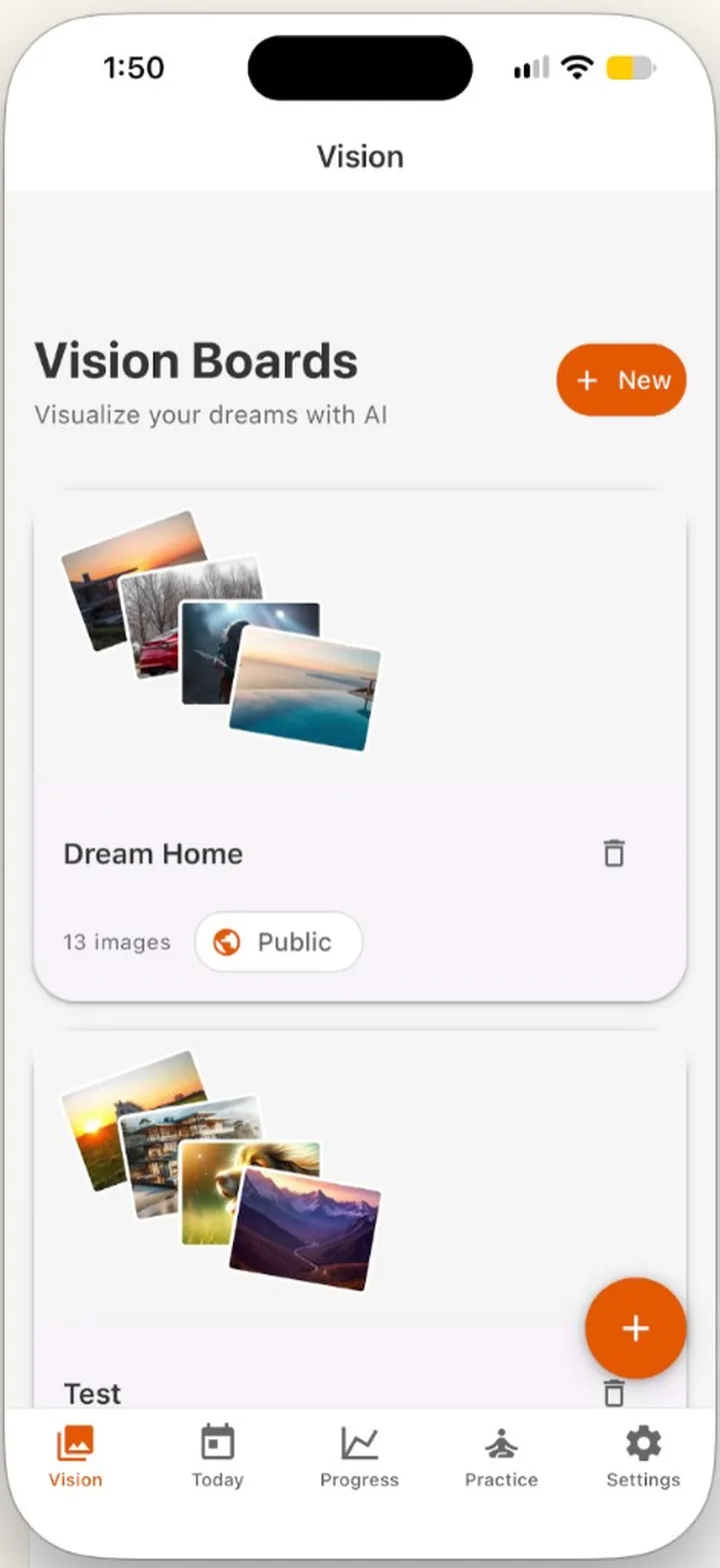
The product
Lift Your Game turns a written goal into a visual one. You describe what you are working toward and the app generates imagery for it, assembling boards that sync across your devices, with a Pro tier for unlimited boards.
It began as a goal tracking platform and became a generative one as image models got good enough and cheap enough to put in front of consumers. That transition is itself the interesting part: the same product, rebuilt around a capability that did not exist in a usable form when it started.
Why a consultant should own a product
Client work teaches you how to build things. Owning a product teaches you what they cost.
I pay for the inference on every image this app generates. I carry the two app store relationships, the subscription billing, the refund requests, the platform policy changes, and the infrastructure bill at the end of the month. That changes how I estimate generative AI work for clients, and it changes what I tell them when a feature that demos beautifully would quietly cost more per user than the subscription brings in.
That specific conversation is difficult to have credibly if you have never had the invoice land in your own inbox.
What is underneath
The infrastructure is deliberately unglamorous and deliberately mine. A Node.js backend on Kubernetes in AWS, Terraform for infrastructure as code, a custom DynamoDB integration, JWT authentication, and nginx ingress handling SSL termination and load balancing across containerised services.
None of that is exotic. It is the part that has to keep working at two in the morning without anyone looking at it, which is a different design goal from the part that demos well.
Related reading:
See it live
Built, published and operated by Humanising Technologies (Haecceity Pty Ltd).
Stack
Generative image AI · React Native · Node.js · Kubernetes on AWS · DynamoDB · Terraform · JWT · nginx ingress
Thinking about putting AI in your product?
I have carried the cost of this on my own product before advising anyone else on theirs. Tell me what you are considering.